
Autistic and OK
The Autistic and OK program consists of a series of mental health and wellbeing group sessions led by peers with autism. It covers four topics including understanding and managing anxiety, depression, bullying, and obsessive-compulsive disorder (OCD). Each session conveys knowledge, tools, and techniques to help people manage their mental health. Opportunities are provided for participants to share their own thoughts on mental health in a safe and non-judgmental environment, connect with others who have autism, gain exposure to role models with autism, and boost confidence and communication skills. While the program was designed for a high school-age audience, it can be adapted for use by older age groups. All materials for teaching the sessions are provided, including the facilitator guide, PowerPoint slides, resource sheets, work sheets, and list of frequently asked questions. Other materials include a Program Handbook, Introduction Video, teacher training materials, advertising posters, participant certificates, optional pre-post evaluation surveys, and information for family and other caregivers.
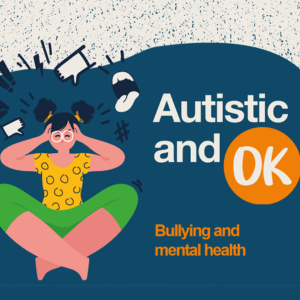
The Autistic and OK Toolkit can be downloaded on the linked Ambitious About Autism website. The full toolkit includes resources for parents, peer-led session resources, and teacher resources. Sessions for the Autism and OK program are listed below.
Sessions include:
- Bullying and Mental Health – participants learn about the difference between bullying and banter, and the impact bullying can have on mental health and wellbeing
- Understanding and Managing Anxiety – participants learn how to look out for signs of anxiety and apply some practical tools to help manage one’s anxiety.
- Understanding and Managing Depression – participants learn how to spot the signs of low mood and depression and explore ways to look after one’s wellbeing.
- Understanding and Managing OCD – participants learn to separate the myths from the facts about obsessive compulsive disorder, and hear about the varied experiences of young autistic people living with OCD
 Illinois Dual Diagnosis Training Initiative