
Recovery-Oriented Care
Recovery-Oriented Care for individuals with intellectual and developmental disabilities (IDD) emphasizes a holistic approach to healthcare that goes beyond addressing immediate medical needs. It fosters an environment where individuals are empowered to achieve their personal goals, develop meaningful relationships, and participate fully in their communities. This approach is person-centered, recognizing the unique strengths, preferences, and aspirations of each individual. Use the links below to learn about specific Recovery-Oriented Interventions for People with Intellectual and Developmental Disabilities and Mental Health challenges.

The Autistic and OK program consists of a series of mental health and wellbeing group sessions led by peers with autism. It covers four topics including understanding and managing anxiety, depression, bullying, and obsessive-compulsive disorder (OCD).

Wellness Recovery Action Plan (WRAP)® for People with Developmental Distinctions
Wellness Recovery Action Plan (WRAP) is an evidence-based program that helps people learn how to self-manage their mental health and wellness.

Feeling Down: Looking After My Mental Health
Feeling Down is an easy-to-read, user-friendly, interactive guide developed collaboratively by people with learning disabilities, service providers, and researchers. It is designed to help people with intellectual and developmental disabilities take care of their mental health with the support of their family, friends, and service providers.
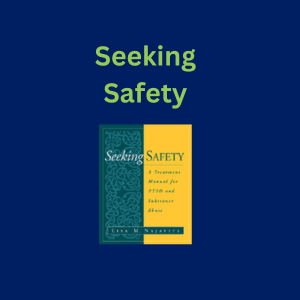
Seeking Safety for People with Intellectual and Developmental Disabilities
The Seeking Safety intervention is an evidence-based, present-focused counseling model to help people attain safety from trauma and/or addiction. It can be delivered in group or individual sessions. It directly addresses trauma, but without requiring participants to delve into the trauma narrative.
Exploring Mental Health Together Peer Mentoring Program
This peer mentoring program was developed in collaboration with and specifically for young adults with IDD and co-occurring mental health conditions. In this program, a young adult with IDD and a co-occurring mental health condition mentors another young adult to support identification and independent use of strategies to cope with mental health symptoms.
 BETA Illinois Dual Diagnosis Training Initiative